Scotland’s world first in ground-breaking cardiac gene therapy trial is a ‘game changer’, insists Network
The NHS Research Scotland (NRS) Cardiovascular Network believes that a new world first for the country represents “a true game changer” in ambitions to extend the lifespan of blood vessels in the heart
The Network has congratulated all parties involved in the pioneering work after a patient from Stornoway became the first person in the world to undergo a clinical trial that aims to improve outcomes for those having specialist heart surgery.
John MacDonald, 73, volunteered to take part in the new PROTECT study — led by NHS Greater Glasgow and Clyde and the University of Glasgow — which uses gene therapy during coronary artery bypass graft surgery.
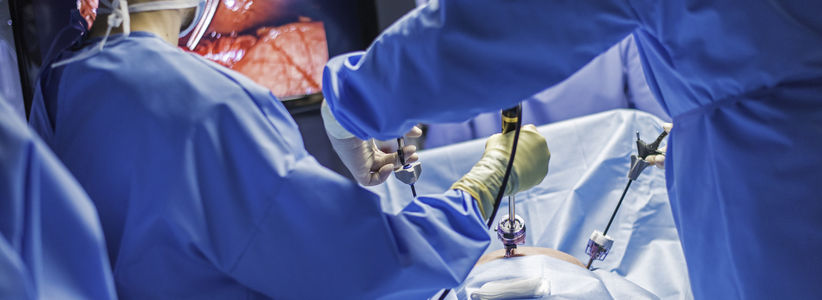
The retired lorry driver was flown to Golden Jubilee University National Hospital in Clydebank where he underwent open heart surgery, with surgeons using a vein in his leg as a graft to create a new route for blood to flow to his heart.
John’s volunteering meant he became the first person to receive the gene therapy treatment as part of the study.
Significant benefits from the research could include helping to extend a patient’s healthy life expectancy and reducing the need for further surgeries.
Clinical Research Champion of the Cardiovascular Network, Professor Lis Neubeck said: “We congratulate all involved in this great, world-leading achievement for Scotland which marks a major milestone in cardiovascular research.
“It is a true game changer in aims to extend the lifespan of blood vessels used during the graft process, potentially prolonging effectiveness well beyond the current standard and significantly improving patient outcomes.
“Treating the grafted vein with a viral vector carrying the TIMP-3 gene during surgery could reduce thickening and blockages in the graft, where previously such grafts could fail because they are not naturally designed to withstand the high pressure of blood flow from the heart.
“The PROTECT study is pivotal in that regard and we hope that Scotland continues to make exciting progress in what could become a huge collaborative breakthrough.”
The study is sponsored by NHS Greater Glasgow and Clyde’s Research and Innovation directorate in partnership with the University of Glasgow and in collaboration with NHS Golden Jubilee and the University of Edinburgh.
PROTECT is further supported by the Medical Research Council and British Heart Foundation and has received additional backing from the Cell and Gene Therapy Catapult, MVLS Translational Research Initiatives Wellcome Translational Partnership Award and Northern Alliance Advanced Therapy Treatment Centre, as well as the universities of Bristol and Cardiff.
The TIMP-3 gene therapy medicine has been developed over several years by the Scottish team and manufactured into the final product through partnership with NHSGGC as co-sponsor of the clinical trial, the funders of the trial and other collaborators, culminating in the opening of the clinical trial.
John, who previously had stents fitted following a cardiac arrest at the age of 60, is now recovering well from his surgery, and told how he feels “on top of the world” with renewed energy and physical abilities.
He said: “I’d encourage others to consider taking part in studies like this one that could help many people in the future.”
Colin Berry, Professor of Cardiology and Imaging at the University of Glasgow and Interventional Cardiology Consultant for both NHSGGC and NHS Golden Jubilee, is one of the cardiologists leading the research with patients treated at NHS Golden Jubilee.
He said: “The new gene therapy has been developed during more than two decades of teamwork involving many experts working in collaboration.
“We are delighted to be leading this new study which is designed to clarify the feasibility and potential benefits of this new therapy for patients undergoing heart bypass surgery.”
Professor Jesse Dawson, Director of Research and Innovation at NHS Greater Glasgow and Clyde, said: “Our team in the Research and Innovation department worked really hard to get this unique study up and running and we are proud to lead this world-first trial in partnership with the University of Glasgow and our NHS Golden Jubilee colleagues. We are grateful to patients like John who make this vital research possible.”
Nawwar Al-Attar, Consultant Cardiac Surgeon and Principal Investigator of the study, said: “The collaborative efforts of an extraordinary team ensured that all preparations, including the timely setup and delivery of the gene therapy, were executed seamlessly and supported by our dedicated research and theatre nurses.”
Professor Andrew Baker, British Heart Foundation Chair of Translational Cardiovascular Sciences at the University of Edinburgh, Visiting Professor at the University of Glasgow and academic lead for the study, said: “I’m hugely grateful to the Medical Research Council and British Heart Foundation for helping the team translate this laboratory discovery to clinical evaluation.”
Publication date: 9th January 2026


